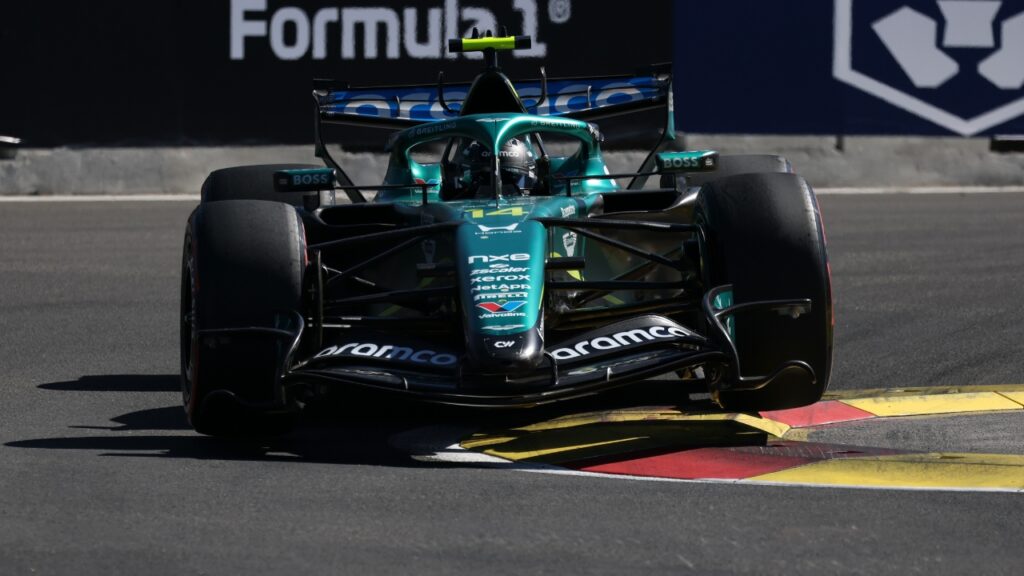
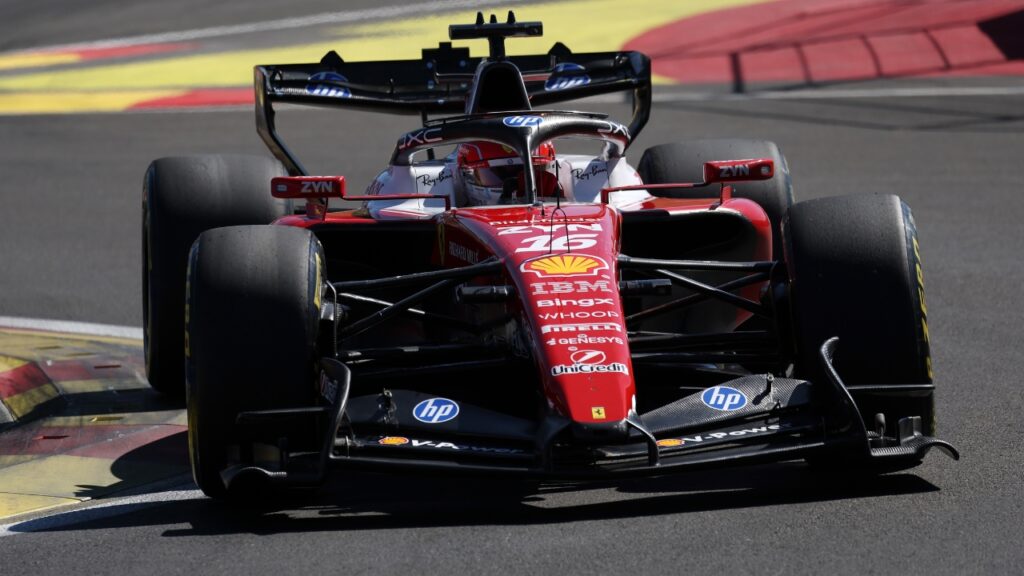
Formula 1 e FIA valutano modifiche al regolamento tecnico dopo la gara in Cina
Le tantissime critiche ricevute da addetti ai lavori e piloti in Australia non possono passare inosservate
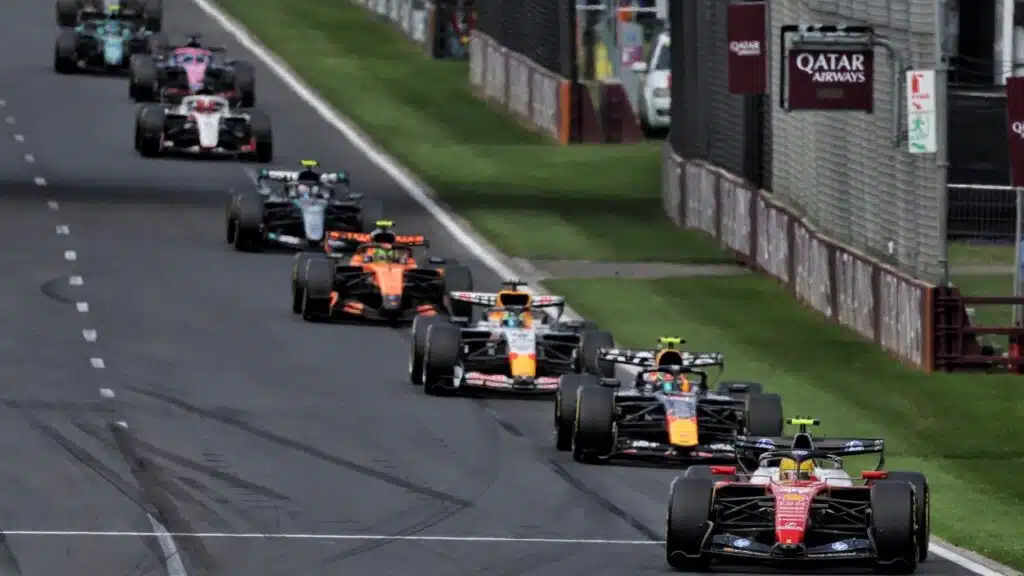
La nuova era tecnologia della Formula 1 è appena iniziata, ma il ronzio delle power unit 2026 è già accompagnato dal rumore di fondo di una crisi normativa probabilmente senza precedenti. Sebbene il Gran Premio d’Australia abbia regalato agli statistici un dato eclatante, ovvero ben 126 sorpassi contro i 45 della passata edizione, il paddock di Melbourne ha restituito un’immagine di profonda insoddisfazione. Piloti e addetti ai lavori concordano su un punto: la quantità non ha coinciso con la qualità. La percezione di una competizione artificiale, dominata da algoritmi di ricarica piuttosto che dal talento puro, ha spinto la FIA a ipotizzare una revisione lampo del regolamento tecnico già per la primavera.
L’avvio di questo nuovo ciclo tecnico è stato, per ammissione degli stessi vertici federali, una sfida senza precedenti. La rivoluzione ha colpito i due pilastri della prestazione: un telaio più snello e agile, accolto con favore per la sua capacità di allontanarsi dai vincoli dell’effetto suolo estremo, e una power unit pesantemente sbilanciata verso la componente elettrica. È proprio quest’ultima ad aver scatenato una tempesta di critiche. La gestione ossessiva delle batterie e il fenomeno del “clipping”, ovvero il taglio improvviso della potenza a fine rettilineo, hanno trasformato i duelli in pista in una strana danza di attese e accelerazioni improvvise, spesso slegate dalla reale volontà di chi siede nell’abitacolo.
L’allarme dei piloti di Formula 1: tra sicurezza e frustrazione
Le voci più autorevoli della griglia non hanno usato mezzi termini per descrivere le proprie sensazioni. Lando Norris e Max Verstappen, pur con approcci differenti, hanno manifestato un disagio evidente. Se l’olandese ha lamentato una perdita di centralità del pilota, il britannico della McLaren è stato ancora più tagliente, nonostante l’opinione contrastante maturata in Bahrain per il solo piacere di andare contro il campione olandese: Norris ha evidenziato come le attuali monoposto siano passate dall’essere l’apice della tecnologia motoristica a macchine che faticano a trasmettere un feeling naturale.
Oltre al piacere di guida, la preoccupazione principale riguarda la sicurezza. I delta di velocità tra una vettura in modalità “Boost” e una in fase di ricarica sono diventati tali da creare situazioni di potenziale pericolo nei tratti ad alta velocità. Le differenze di energia trasformano i sorpassi in manovre quasi violente per rapidità di avvicinamento, rendendo imprevedibile il comportamento del mezzo in scia.
La strategia della FIA: verifica dei dati reali prima dei correttivi
Nonostante la consapevolezza delle criticità, la Federazione Internazionale ha scelto la strada della prudenza istituzionale, rifiutando interventi emotivi prima di aver analizzato un campione di dati sufficientemente ampio. L’Albert Park, con le sue caratteristiche di “stop-and-go”, rappresenta uno dei banchi di prova più severi per il recupero energetico, ma non può essere l’unico metro di giudizio. La tappa di Shanghai la prossima settimana, sede del Gran Premio di Cina, sarà il tassello mancante per completare il puzzle tecnico.
A fare chiarezza sulla tabella di marcia della Federazione è intervenuto Nikolas Tombazis, direttore delle monoposto FIA, il quale ha delineato il percorso che potrebbe portare a novità regolamentari già per il Gran Premio del Giappone del prossimo 29 marzo.
“La volontà espressa in modo unanime dalle scuderie è stata quella di rispettare gli assetti normativi stabiliti per le prime uscite stagionali, così da poter riconsiderare l’intera questione una volta acquisito un volume di dati più solido – ha detto l’ex Ferrari. Il nostro proposito è quello di analizzare con estrema attenzione le dinamiche della gestione energetica subito dopo la gara in Cina. Disponiamo già di alcune soluzioni tecniche pronte all’uso, dei veri e propri assi nella manica che abbiamo preferito non schierare immediatamente per evitare di agire sotto l’impulso di una reazione affrettata prima del debutto. Esamineremo queste opzioni insieme ai team non appena avremo archiviato la gara di Shanghai”.
Le possibili linee d’intervento: dal Super Clipping alla ricarica rapida
Se i dati della Cina confermeranno le ombre viste a Melbourne, la F1 potrebbe assistere a una delle riforme tecniche “in corsa” più rapide della sua storia recente. Le discussioni, iniziate già durante i test in Bahrain, hanno portato alla creazione di una roadmap che vede nel Gran Premio del Giappone la prima data utile per l’implementazione dei cambiamenti. Qualora la situazione geopolitica in Medio Oriente dovesse portare allo slittamento delle gare di Sakhir e Jeddah, cosa molto probabile e sulla quale avremo notizie non oltre questa settimana, i team avrebbero più tempo per affinare i correttivi prima della tappa di Miami a maggio.
Le aree di intervento allo studio sono molteplici e mirano a restituire naturalezza alla prestazione. Si valuta la regolazione dei livelli di distribuzione energetica, agendo sulla capacità di raccolta del sistema ibrido. Tra le ipotesi più accreditate figurano:
-
L’incremento della potenza del Super Clipping per permettere ricariche più veloci e meno penalizzanti;
-
Una revisione della potenza massima erogabile per evitare differenze di velocità eccessive tra i piloti;
-
Una parziale rimodulazione del contributo del motore a combustione interna (ICE) per bilanciare la dipendenza dalla batteria.
L’obiettivo dovrebbe essere quello di snaturare il meno possibile il concetto di competizione nel motorsport, oltre che a dare ai piloti la possibilità di manovra, senza essere dei tassisti praticamente, cosa già avvenuta e in maniera palese nelle qualifiche di Melbourne, quando bisognerebbe estrarre il massimo potenziale invece che gestire. Se Formula 1 e FIA rivedranno certe situazioni, ammetteranno anche il fallimento della concezione di questo assurdo regolamento tecnico, mentre i piloti già da anni esprimevano profondo dissenso, avendo provato le vetture al simulatore con risultati imbarazzanti per la competizione, ma anche per lo spettacolo, perché è vero che ci sono stati 126 sorpassi e un duello tra Leclerc e Russell durato diversi giri, ma quanto tutto questo è stato entusiasmante? Zero.
se vuoi essere sempre aggiornato sulle nostre notizie
Seguici qui