Imbarazzo F1 in Giappone: vetture che si piantano e passano da 330 a 270 km/h in rettilineo
In alcuni casi i piloti sono costretti a scalare una marcia per avere più spinta dalla power unit
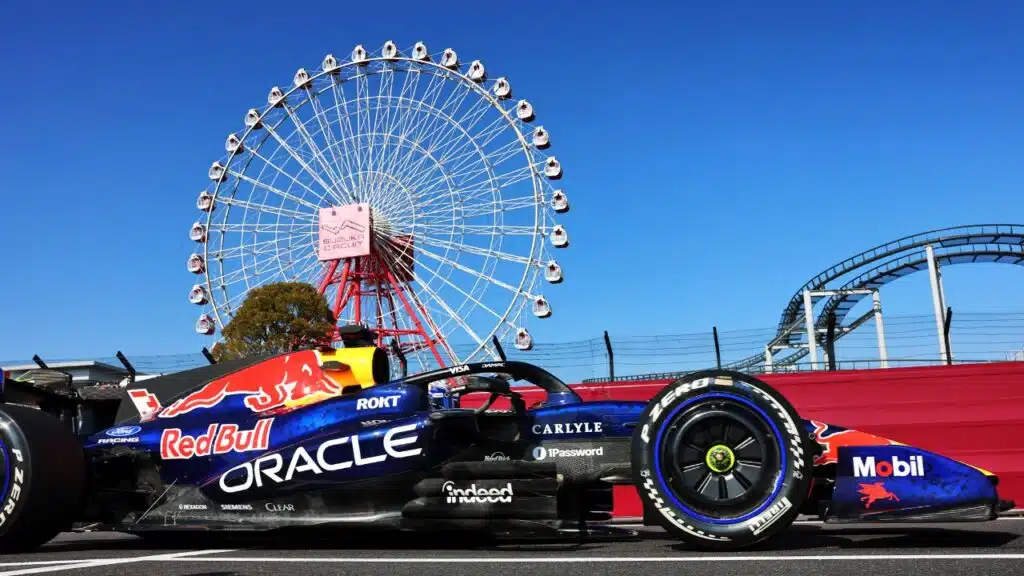
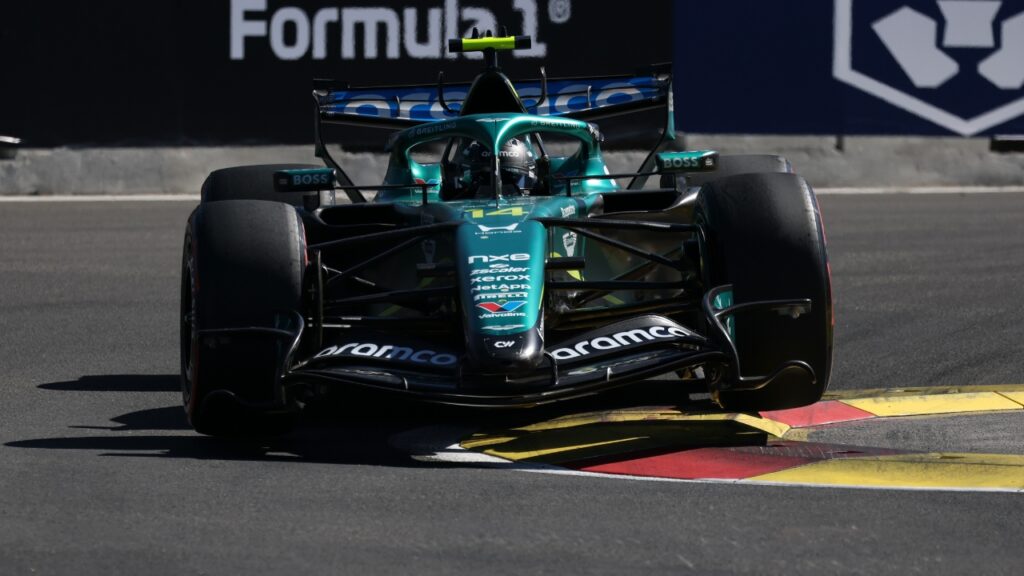
L’apertura del fine settimana sul circuito di Suzuka ha riportato prepotentemente a galla l’imbarazzo che questo nuovo corso tecnico sta infliggendo alla Formula 1. Se dopo la tappa in Cina sembrava che le critiche potessero parzialmente rientrare, premiando chi ha accettato questo scempio tecnologico, il responso della pista giapponese ha ristabilito una realtà amara, ricalcando quanto già osservato in Australia. Le monoposto, giunte alla conclusione del lungo tratto velocissimo che segue la 130R e precede la chicane finale, quella che per intenderci fece da teatro all’epico scontro tra Senna e Prost nel 1989, subiscono un rallentamento innaturale. Si piantano letteralmente, crollando da punte di 330 km/h a circa 270 km/h nonostante i piloti mantengano il piede totalmente a tavoletta sull’acceleratore.
Il responsabile di questa agonia dinamica è l’ormai tristemente noto Super Clipping: nel momento in cui la componente elettrica esaurisce la spinta, il solo motore termico da 540 CV non è in grado di sostenere la progressione o anche solo di mantenere la velocità di punta. Il risultato è un taglio di potenza che trasforma i rettilinei in un calvario tecnologico. Quando la vettura che segue ha gestito meglio le proprie risorse energetiche, il sorpasso avviene con un differenziale di velocità talmente marcato da risultare posticcio, superando in negatività persino gli effetti del peggior DRS. Non assistiamo più a una manovra di sorpasso frutto di talento o staccate al limite, ma semplicemente all’atto di sfilare un ostacolo quasi immobile in mezzo alla pista.
La Formula 1 ha sottovalutato Suzuka
Alla vigilia si ipotizzava che Suzuka potesse rivelarsi meno energivora per queste complesse e farraginose power unit, ma i fatti hanno smentito categoricamente ogni previsione ottimistica. Nel settore che si snoda dalla Spoon Curve alla Chicane del Triangolo, la situazione è imbarazzante. La leggendaria 130R non viene più percorsa in pieno, e già in quel punto si avverte il primo drastico calo di velocità, che tocca il suo apice ben prima del consueto punto di frenata della S finale. Anche nel tratto che precede la curva del Cucchiaio, dove storicamente si dovrebbe spingere al massimo, le macchine procedono a singhiozzo. Persino lo “Snake”, la sequenza di S iniziale che rappresenta l’essenza stessa della guida pura, risulta oggi castrata: i piloti sono obbligati a gestire batteria ed energia per sperare di avere un minimo di spinta nel finale del giro, snaturando la fisionomia di uno dei tracciati più belli del mondo.
L’assurdità raggiunge il parossismo durante i tentativi di qualifica. Per riuscire a completare un giro cronometrato che si possa definire minimamente decente, i piloti sono costretti a parzializzare il gas quasi fino alla linea del traguardo nel giro di lancio, risparmiando ogni singolo joule per l’attacco al tempo. La FIA e il management della Formula 1, forse troppo galvanizzati dai riscontri illusori della Cina, hanno scelto di prendere tempo, limitandosi a modifiche marginali che non scalfiscono la sostanza del problema. La speranza è che questo mese di pausa forzata induca a una profonda meditazione chi ha partorito un regolamento tecnico da mettersi le mani nei capelli. In questo calderone di responsabilità includiamo anche i team, colpevoli di aver accettato con troppa superficialità una tecnologia che il mercato globale sta già indicando come obsoleta per il futuro.
Come si può intervenire per ridare credibilità alla Formula 1
Sul tavolo della Federazione restano diverse aree di intervento che mirano, almeno sulla carta, a restituire un minimo di naturalezza alla prestazione delle monoposto. Si valuta una regolazione dei livelli di distribuzione energetica, agendo sulla capacità di raccolta del sistema ibrido per evitare i blackout totali a fine rettilineo. Tra le ipotesi che circolano con maggiore insistenza figurano un incremento della potenza destinata alla ricarica per rendere le fasi di recupero meno penalizzanti sul tempo sul giro e una revisione della potenza massima erogabile, necessaria per mitigare quei delta di velocità che rendono i sorpassi simili a manovre autostradali.
Non meno importante sarebbe una parziale rimodulazione del contributo del motore a combustione interna (ICE). L’obiettivo dichiarato dovrebbe essere quello di bilanciare la dipendenza eccessiva dalla batteria, evitando che i piloti debbano trasformarsi in tassisti preoccupati più dei consumi che della traiettoria ideale. Questa deriva è apparsa palese nelle qualifiche di Melbourne, dove invece di estrarre il massimo potenziale dal mezzo, si è assistito a una gestione conservativa nel momento in cui dovrebbe regnare la velocità pura. Se la FIA e la Formula 1 decideranno finalmente di intervenire, dovranno di fatto ammettere il fallimento concettuale di questo regolamento.
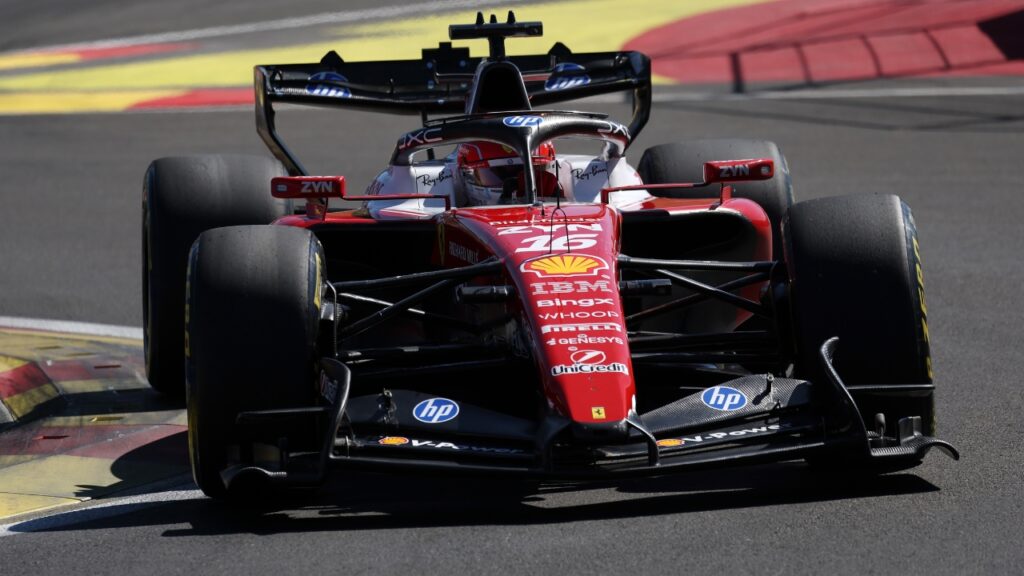
I piloti, dal canto loro, esprimono dissenso già da anni, avendo segnalato i risultati imbarazzanti ottenuti nelle prime simulazioni. Nonostante i dati parlino di molteplici sorpassi e duelli prolungati, come quelli tra Leclerc e Russell, bisogna chiedersi quanto tutto questo sia realmente entusiasmante per chi ama il motorsport. La risposta, purtroppo, tende allo zero. Un duello basato sulla gestione di un software non ha la stessa dignità di una battaglia vinta con il piede e con il cuore. Ci auguriamo che i piloti continuino a far sentire la propria voce con decisione, come accaduto in Australia, e che campioni dello spessore di Lewis Hamilton abbiano il coraggio di smentire le dichiarazioni di facciata rilasciate dopo Shanghai. Il motorsport ha bisogno di tornare a essere una competizione tra piloti e macchine, non una sfilata di ostacoli telecomandati dal risparmio energetico.
se vuoi essere sempre aggiornato sulle nostre notizie
Seguici qui