F1 | Motori 2026, Mercedes e Red Bull regolari “a freddo”: gli altri team dovranno adeguarsi ma passeranno mesi
La FIA conferma: "Il rapporto di compressione massimo e il metodo di misurazione si basano su condizioni statiche a temperatura ambiente"
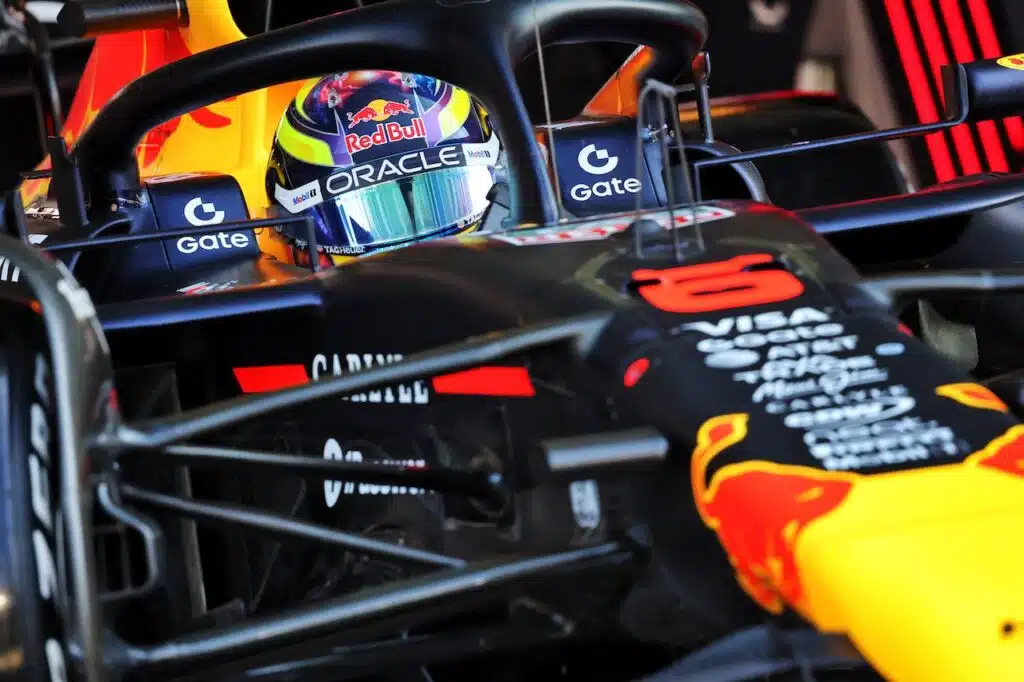
La lunga marcia verso la Formula 1 del 2026 rischia di essere segnata da una controversia tecnica destinata a lasciare il segno. Al centro del confronto tra i costruttori c’è l’interpretazione del nuovo limite sul rapporto di compressione dei motori, un tema che sta alimentando tensioni politiche e interrogativi competitivi a pochi mesi dall’esordio del nuovo regolamento.
Secondo alcune valutazioni emerse, lo sfruttamento estensivo di determinate aree regolamentari potrebbe garantire un vantaggio prestazionale non marginale. In questo contesto, Mercedes e Red Bull vengono indicate come i costruttori che avrebbero interpretato in modo più efficace il quadro normativo, mentre altri produttori osservano con crescente preoccupazione l’evolversi della situazione.
Il nodo centrale riguarda l’articolo C5.4.3 del regolamento tecnico 2026, che stabilisce che nessun cilindro possa superare un rapporto di compressione geometrico pari a 16.0. La norma specifica inoltre che la procedura di misurazione debba avvenire a temperatura ambiente e secondo criteri definiti dai costruttori, previa approvazione della FIA. È proprio questa formulazione a generare letture differenti.
Dal punto di vista di Mercedes e Red Bull, ciò che conta è esclusivamente il valore rilevato durante i controlli statici previsti dal regolamento. Secondo questa interpretazione, il testo normativo viene rispettato alla lettera. Altri costruttori, invece, richiamano l’articolo C1.5, secondo cui le monoposto devono essere conformi alle regole “in ogni momento della competizione”, sostenendo che un rapporto di compressione superiore a 16:1 in condizioni di esercizio rappresenterebbe una violazione.
La FIA, almeno per ora, ha ribadito una posizione netta. Un portavoce della Federazione ha chiarito: “Il regolamento definisce in modo chiaro il rapporto di compressione massimo e il metodo di misurazione, che si basa su condizioni statiche a temperatura ambiente. Questa procedura è rimasta invariata nonostante la riduzione del valore consentito per il 2026”.
Una linea che sembra confermare come il riferimento regolamentare resti quello dei controlli a freddo, analogamente a quanto avviene in altri ambiti tecnici della Formula 1.
Dal punto di vista delle prestazioni, il potenziale vantaggio è tutt’altro che trascurabile. Studi di simulazione indicano che un incremento del rapporto di compressione da 16:1 a 18:1 potrebbe valere fino a 10 kW, equivalenti a circa 13 cavalli. Tradotto in pista, il beneficio stimato varia tra tre e quattro decimi al giro, a seconda delle caratteristiche del tracciato, con effetti indiretti anche sull’efficienza complessiva e sul carico di carburante.
Il vero problema, però, riguarda le possibilità di reazione. Le power unit 2026 sono già in una fase avanzata di progettazione e produzione e, sebbene l’omologazione ufficiale sia fissata per marzo, nella pratica i margini per cambiamenti strutturali sono ormai ridotti. Interventi profondi sull’architettura del motore richiedono tempi lunghi, rendendo improbabile un recupero completo prima del 2027.
Esiste una possibile via regolamentare rappresentata dalle Additional Development and Upgrade Opportunities, pensate dalla FIA per evitare distacchi eccessivi tra i costruttori. In caso di deficit prestazionali significativi, alcuni produttori potrebbero beneficiare di finestre di sviluppo aggiuntive nel corso del 2026. Resta però da capire se tali strumenti saranno sufficienti a compensare un eventuale vantaggio strutturale legato al rapporto di compressione.
Sul piano politico, Ferrari, Audi e Honda hanno già richiesto chiarimenti formali alla FIA attraverso una comunicazione congiunta. Una risposta ufficiale potrebbe definire i confini della questione ed evitare che il confronto sfoci in un contenzioso formale, ipotesi che alcuni non escludono già dal Gran Premio d’Australia.
se vuoi essere sempre aggiornato sulle nostre notizie
Seguici qui